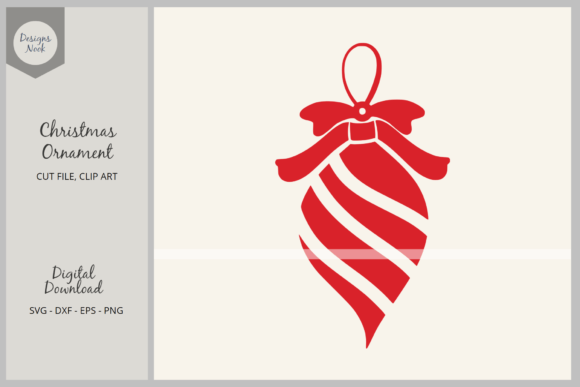
A Designer's Hands-On Review: The Hand Drawn Ornament SVG
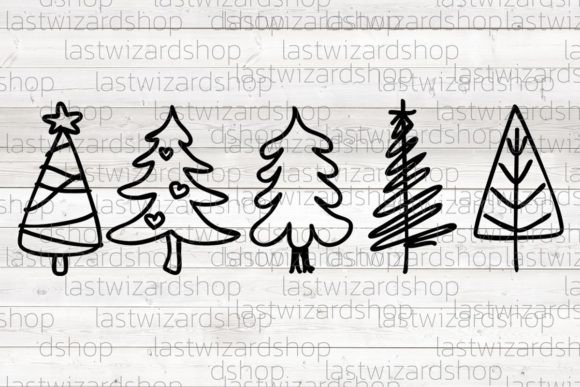
As someone who designs and stitches countless holiday items each season, my first impression of this Hand Drawn Ornament, Christmas Clipart was a genuine smile. It doesn’t feel like a rigid, corporate graphic. The lines have a sketched, almost whimsical personality. That’s the kind of visual mood that translates beautifully into embroidery—it’s inherently handmade, friendly, and nostalgic. Before I even think about threading a needle, I’m imagining it on a cozy, textured sweatshirt or a classic canvas tote bag. This isn’t just clipart; it’s a ready-made blueprint for a story.
The Design in Real Project Situations
Let’s walk through a typical scenario. I’m preparing a batch of custom embroidered pillow covers for a small boutique’s holiday collection. I need a design that feels special but not overly formal, one that can be personalized with a name or year. This ornament design fits that perfectly. The clear, open shapes mean it won’t become a muddy blob of stitches. On a pillow cover, the slightly imperfect, hand-drawn lines will complement the fabric’s texture, adding to that curated, artisan feel that customers seek.
It performs well across a spectrum of real-life embroidery uses. On a baby’s knit blanket or a tea towel, the design offers a gentle, classic holiday touch without being overwhelming. For more commercial projects, like a series of caps for a local business’s holiday giveaway, the design is recognizable and festive at a glance. It also works as a superb foundation for an embroidered patch—the defined edges are ideal for clean satin stitch borders. For Etsy sellers and digital product creators, this vector file is a solid asset for creating printable mockups or previews, showcasing the final embroidered product in listings.
Where Its Character Shines—And Where to Be Mindful
The true strength of this design lies in its simplicity and charm. It’s not overly detailed, which is a blessing for embroidery. On light cotton aprons or linen kitchen towels, the stitched result will be crisp and legible, enhancing the product’s perceived value. For personalized gifts, like a monogrammed holiday sweatshirt, it acts as a perfect, engaging focal point that builds customer trust in your craftsmanship. It supports brand consistency for makers who specialize in a warm, handcrafted aesthetic.
However, this is where practical judgment comes in. Because it’s a vector graphic, the small details—like the subtle hooks and lines of the ornament’s top—need attention. On very small hoop sizes or on stretchy fabrics like thin t-shirts, those tiny elements might need slight adjustment or could benefit from a simplified stitch approach to maintain clarity. On dark fabric backgrounds, thread color contrast is paramount; you’ll want to test that interplay to ensure the design’s friendly personality doesn’t get lost.
Also, be cautious with highly textured fabrics or curved surfaces like caps. The design’s overall shape is forgiving, but dense fill stitch areas could become challenging on curves. For products destined for frequent washing, like baby items or apparel, consider the stitch density and stabilizer used to ensure longevity. This isn’t a limitation of the design itself, but a standard note for any embroidery file applied to durable goods.
Practical Notes for Embroidery Designers & Makers
My core advice is always to treat any new design as a prototype. For this Hand Drawn Ornament, Christmas Clipart, run a test on scrap fabric that mimics your final product’s texture. This reveals how the sketched lines translate into running stitches or fill stitches. Check how it looks in both black and white mockups to gauge its versatility. Compare it on light and dark fabric swatches to plan your thread palette.
Since the product description mentions it’s a vector file contained in a zip, this typically implies scalability, which is excellent for adjusting to different hoop sizes. However, it is crucial to confirm the specific licensing terms before using it for commercial embroidery projects or selling finished products derived from it. Always verify the included file formats to ensure compatibility with your machine embroidery software.
Use proper stabilizer for the chosen fabric—this is especially important to preserve the clean, hand-drawn aesthetic on finished items. Inspect the small details in your software preview; sometimes a minor simplification can improve stitching clarity without losing the design’s soul. For craft businesses and apparel decorators, this design can elevate a simple product into a giftable, professional-looking holiday item, boosting buyer engagement. It feels authentic.
The Final Stitched Impression
In the end, an embroidery design file is a tool. This particular tool—the Hand Drawn Ornament, Christmas Clipart—has a specific and valuable character. It doesn’t try to be everything. It’s a confident, simple, and warm holiday graphic that, when stitched, will carry that feeling into the physical product. Whether you’re embroidering it onto a tote for a craft fair, a baby bib for a personalized gift, or a series of patches for your small shop merchandise, it brings a consistent, handmade presentation. It reminds me that the best holiday designs often aren’t the most complex; they’re the ones that stitch up cleanly and feel like they were always meant to be on fabric, telling a quiet, festive story.