Beyond the File: A Designer's Review of Christmas Gift Clipart
When a new embroidery design lands on my screen, I don't just look at it as a graphic. I’m thinking about stitches, about thread, about how it will live on fabric and in the hands of a customer. So, let’s talk about this Christmas Gift Clipart from that perspective. It’s a cute, cartoon present, and the description says it’s for banners, flyers, online projects, and printing. But my mind immediately goes to the hoop. How does this illustration translate into an embroidered product?
The First Impression: Where This Design Belongs
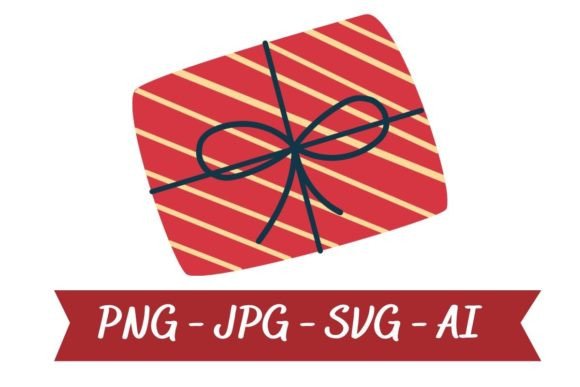
My first reaction is that this is a friendly, approachable design. It’s not overly intricate or formal. The cartoon style creates a mood of cheerful, whimsical festivity, perfect for projects that feel handmade and personal rather than corporate or austere. The shape is clear and recognizable—a classic gift box with a bow. This visual personality tells me it naturally belongs to projects like custom holiday sweatshirts, festive tote bags for carrying presents, baby’s first Christmas bibs, or cozy pillow covers for the living room. It’s the kind of image that makes you smile, which is exactly what you want for holiday merchandise.
For small business owners and Etsy sellers, that smile is a business metric. A design with this kind of warmth can directly affect buyer engagement. When a customer sees this embroidered on a tea towel or a patch, it feels giftable. It enhances the handmade presentation and, if used consistently, can become a recognizable part of your holiday brand identity.
The Real-Life Embroidery Scenario
Let’s walk through a real case. Imagine I’m preparing a batch of custom embroidered tote bags for a holiday craft fair. I choose this Christmas Gift Clipart as the main motif. In my mind, I’m already stitching it.
On a medium-weight canvas bag, the bold, clean lines of the gift box should translate well into satin stitches for the bow and outline stitches for the box edges. The overall detail level looks manageable; there aren’t tiny, fussy elements that might vanish or become muddy in thread. This is crucial for maintaining stitching clarity. On apparel like sweatshirts or kids’ hoodies, the design’s simplicity means it won’t get lost in the fabric texture. For an embroidered patch, it would be clear and readable, adding value as a standalone product.
I’m also thinking about commercial embroidery projects for a local boutique. This graphic could work nicely on the corner of a blanket or as a small accent on a holiday apron. Its charm supports a sense of professionalism when done well—it shows thoughtful design selection, not just a random holiday graphic.
Where to Exercise Some Caution
No design is universally perfect, and a practical review means noting where you need to be careful. With any cartoon clipart adapted for embroidery, the devil is in the details.
If you’re considering very small hoop sizes—think tiny ornaments or delicate baby garment accents—you must inspect how the small details, like the curves of the bow, will hold up. They might need slight simplification in the embroidery file to avoid dense, stiff stitch areas.
Stretchy fabrics or thin fabrics like fine tees require extra attention to stabilizer to keep this clean shape from distorting. On dark fabric backgrounds, the thread color contrast is paramount; you’d need to choose bright, festive colors to make the design pop, as the original clipart likely assumes a white background.
Curved surfaces like caps can be tricky. The design’s rectangular box shape might need positional adjustment to look centered and balanced on a curved panel. And for products destined for frequent washing, like kitchen towels or baby clothes, a design with large, solid fill areas might be less ideal than one with more openwork. You’d want to test stitch density to ensure it remains comfortable and durable after many washes.
Affecting Appeal, Value, and Trust
How does this specific clipart affect the finished product’s appeal? A well-executed embroidery of this cute present reinforces customer trust. It looks intentional and skilled, not haphazard. For creative entrepreneurs selling digital embroidery files, providing a design like this that is clear and versatile helps your clients succeed, which builds your reputation.
For personalized gifts, such as a monogrammed pillow with this gift beside a name, it adds a layer of thematic celebration that generic text can’t. It boosts the giftability factor immensely. In a printable mockup for your online shop, or as a preview for a digital product, a clean, strong graphic like this makes the product look professional and appealing, encouraging sales.
Practical Notes for the Embroidery Designer
Before you commit this design to a client’s order or a batch of shop merchandise, here’s my standard advice. These steps are how I treat any design, and this Christmas Gift Clipart is no exception.
- Test on Scrap First. Always stitch it out on a scrap of the actual fabric you plan to use. See how the shapes translate. Is the bow crisp? Does the box look square?
- Check Color Contrast. Run mental—or actual—mockups in both light and dark backgrounds. Plan your thread palette accordingly.
- Review for Commercial Use. The product description mentions use for online projects and printing. But for selling physical embroidered items or the embroidery file itself, you must confirm the licensing terms. Never assume.
- Consider the End Product. Ask yourself: Is this for a one-off personal holiday gift, or for fifty units of small shop merchandise? The design’s scalability matters. On a large tote, it might be a bold centerpiece. On a delicate nursery decor item, a smaller, subtler version might be better.
- Use Proper Stabilizer. This is non-negotiable for preserving the design’s cheerful shape on any project.
Ultimately, this Christmas Gift Clipart strikes me as a versatile, mood-setting graphic that, with thoughtful adaptation and testing, can become a wonderful embroidered asset. It belongs in the world of handmade holiday joy—on bags, apparel, and gifts that carry the spirit of the season. It’s not just an illustration; in the hands of a maker, it’s a potential stitch, a product, and a smile waiting to be made real.